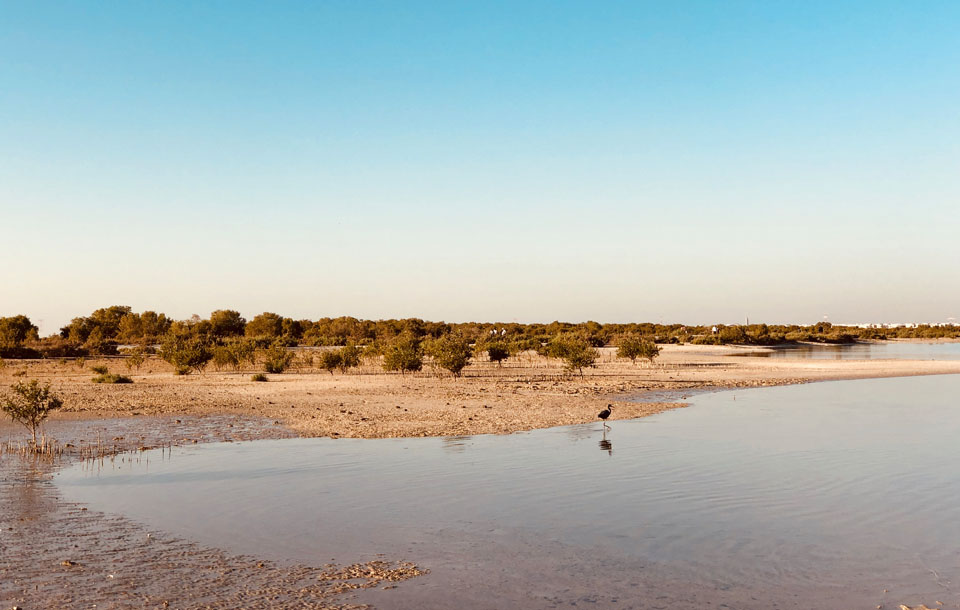
 With more than 7,000 thousand islands to choose from, one would expect it to be hard to find the best places to visit in the Philippines. Yet, when it comes to recommendations, El Nido tops all the lists on the internet as the ‘best’ and ‘most beautiful’, and is one of those rare occasions, the hype and fame are all well-deserved in the case for this little corner of paradise.
However, the reason for writing about this breathtaking place is not just to praise its beauty, but also to appreciate the local efforts to keep this scenery intact with sustainability in mind. The place is still in development, per se, despite its overwhelming popularity, but unlike most cases where the sudden surge of tourists overwhelmed the area and concluded in mother nature being the victim of harmful tourism, El Nido is consciously trying to develop and better their services without destroying the very thing that caused the place’s popularity, its pure and untouched natural beauty.
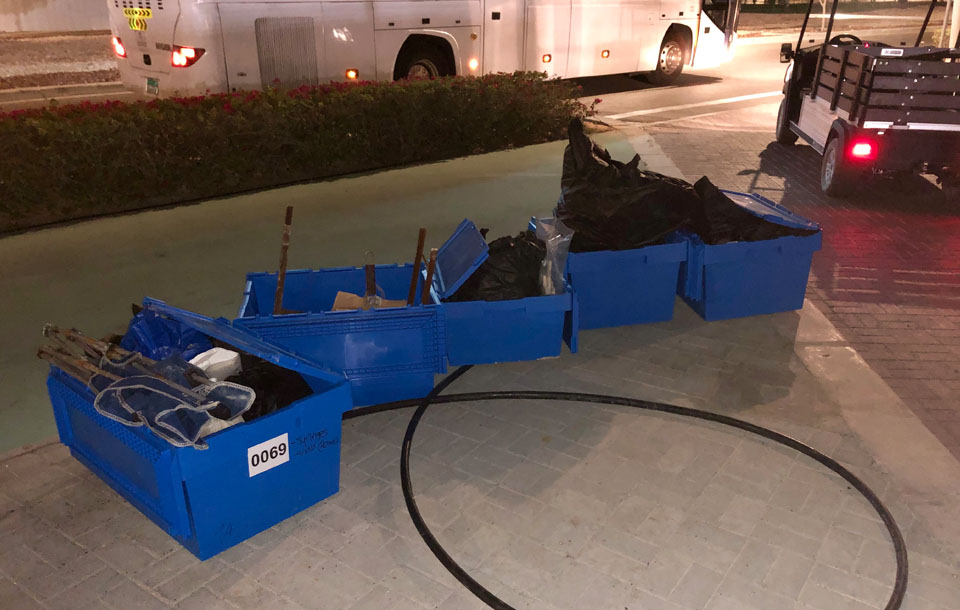
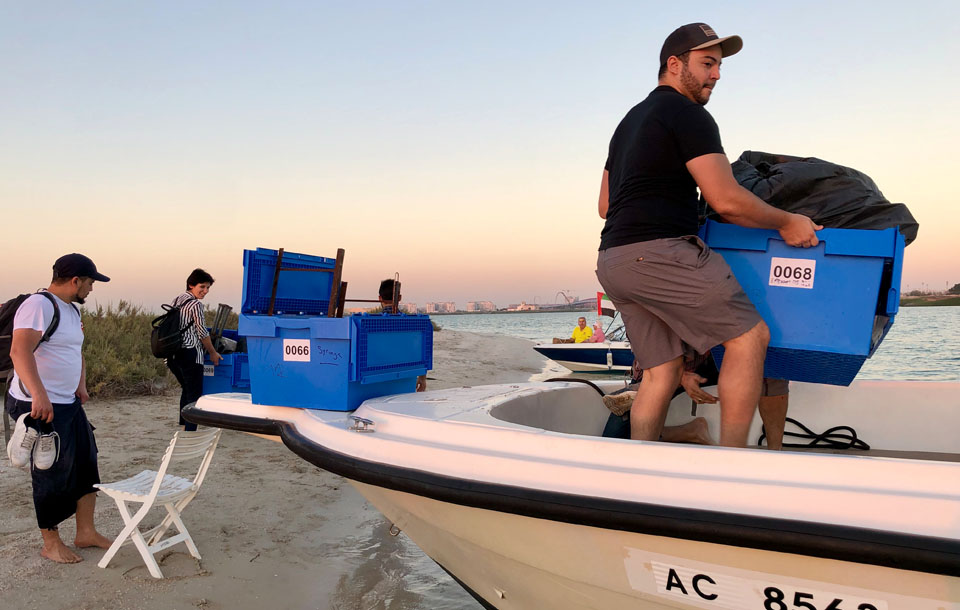
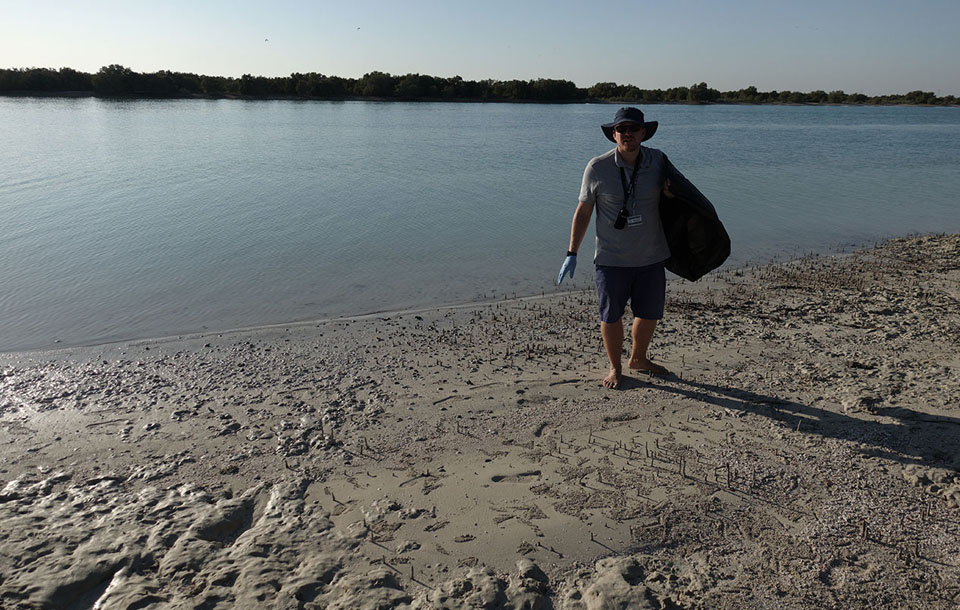
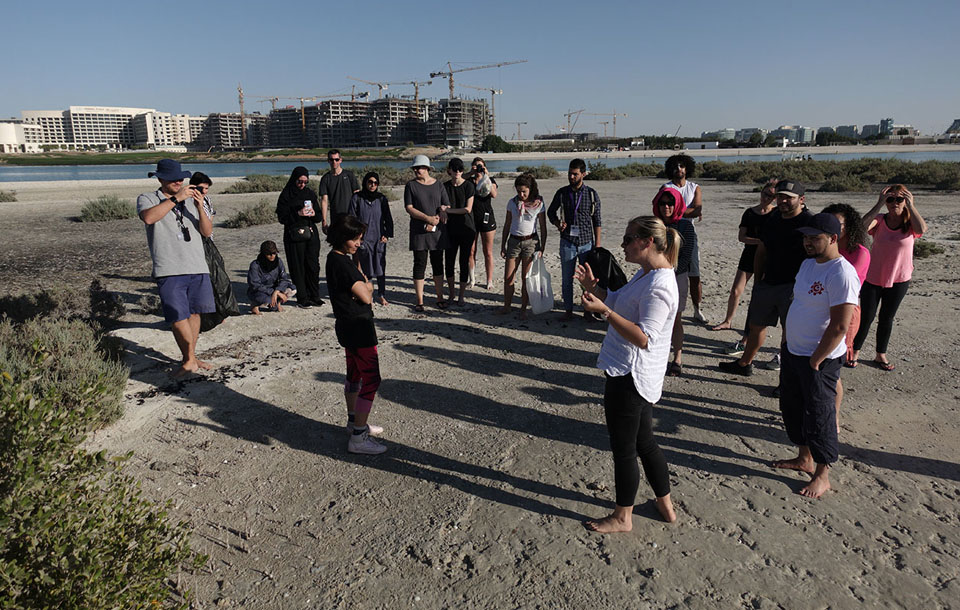
 Its most popular tourist activities, the island hopping tours around the smaller islands surrounding El Nido begin with each visitor paying a small fee for a life-long environment tax to (literally) pay their respect for mother nature – as long as they save the paper of the tax being paid, which you are reminded of every time by all tour guides and tourist offices). “Sustainability and environment mindedness is a conscious action by all in El Nido,” says every captain at the beginning of the day tours around the islands. Every tour includes a quick training on environmental consciousness. No littering on the islands is allowed, and if anyone spots any trash, they are reminded to kindly pick them up and give them to the boat staff so that every new visitor of the islands will feel like they are the first ones to ever set foot on the place.
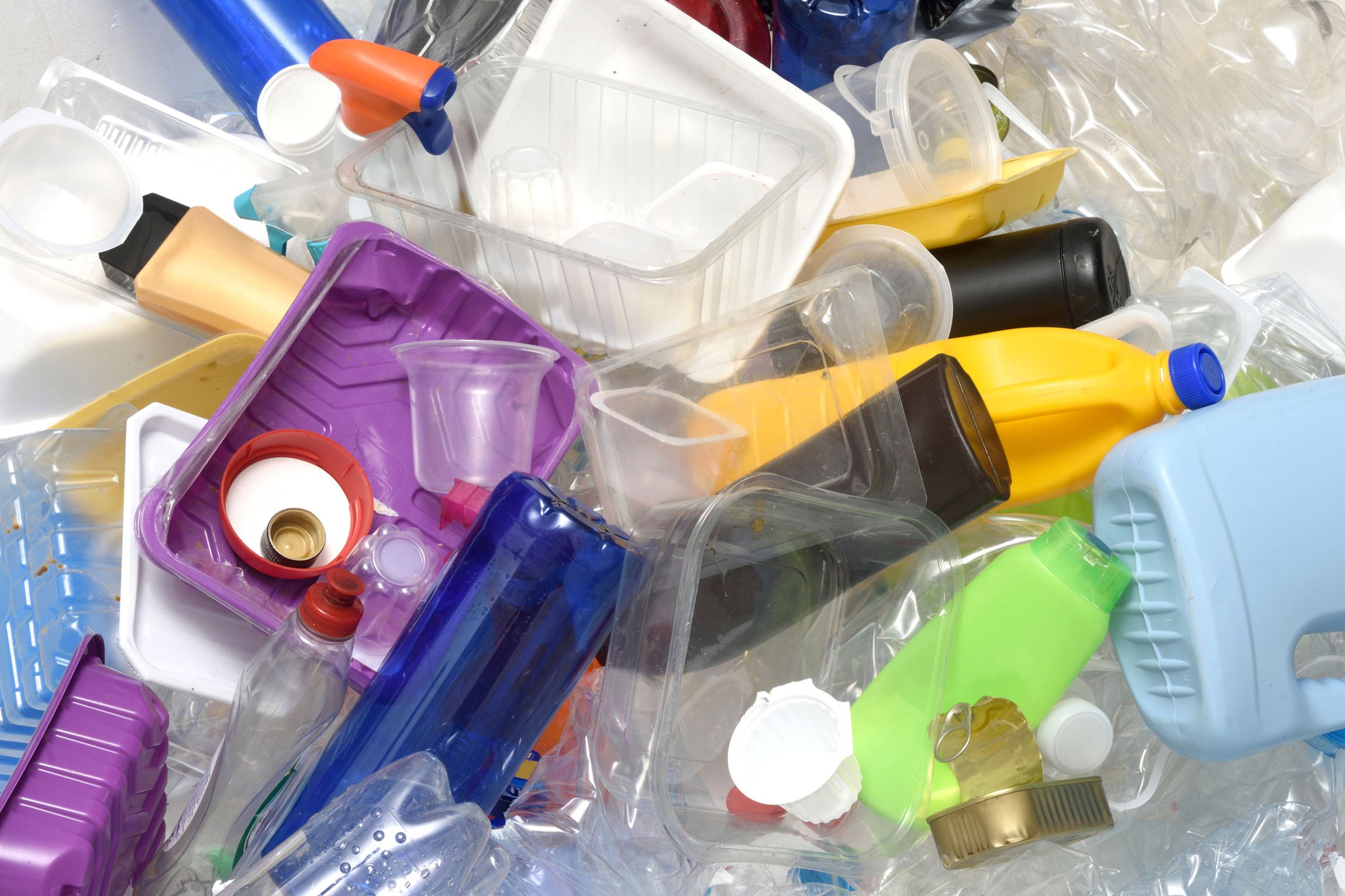
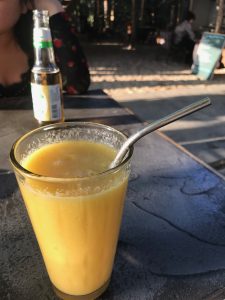 Plastic straws? Almost non-existent. It’s harder to find a bar or street vendor with plastic straws then it is to avoid one here. Sea vendors who approach the boat tour participants during island hopping only have bamboo straws and the few private beaches that have shopping huts for refreshments either use the same bamboo straws or cut the bucos (coconuts) in a shape so that you can enjoy it straight from the shell without spillage or littering (excluding the shells themselves… but they are part of nature so the only thing they might destroy is the aesthetics of a clean beach). Or if not bamboo straws, most restaurants use metal straws to serve their refreshments in the towns.
 With their effort and hard work, the people of El Nido are a great example of how to develop sustainable tourism to appreciate and show off the best side of mother nature. There’s still room for improvement as the place will develop, but they are taking the right steps towards a better and more sustainable way of tourism.